
When it comes to crushing rocks or demolishing concrete structures, two essential pieces of equipment emerge as indispensable: rock breakers and rock crushers. Both serve distinct purposes, but which one is the right choice for your specific needs? In this article, we delve into the key differences between rock breakers and rock crushers, exploring their functionalities, applications, and benefits.
Functionality:
A rock breaker, also known as a hydraulic hammer or demolition hammer, is a heavy-duty construction tool specifically designed to break large rocks into smaller pieces. It utilizes hydraulic power to deliver repetitive blows to the surface, effectively fracturing the rocks. Rock breakers are commonly used in mining, infrastructure development, and construction projects.
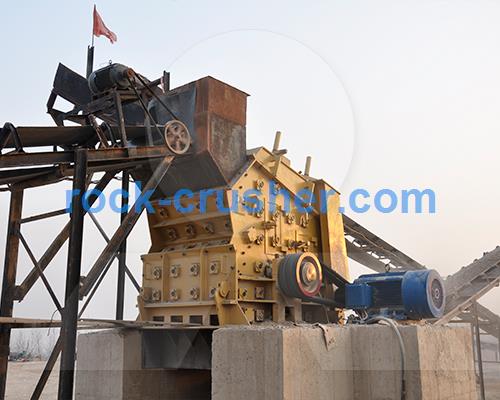
On the other hand, a rock crusher is a device used to crush rocks into smaller, more manageable sizes. It employs mechanical force to achieve this, often relying on a cone or jaw crusher to apply compression. Rock crushers are extensively utilized in the mining and aggregate industries, where they play a crucial role in turning large rocks into smaller stones or gravel.
Applications:
Rock breakers shine in applications where large rocks need to be demolished or broken into smaller, manageable pieces. They are commonly employed in mining operations to extract ore from underground veins or quarrying environments to facilitate smooth excavation of stone blocks. Additionally, rock breakers find use in construction sites where concrete structures, such as pillars or foundations, need to be demolished before reconstruction.
Rock crushers, on the other hand, are primarily used for crushing rocks to create various aggregate materials. These materials are necessary for a range of construction projects, including road construction, concrete production, and landfill reclamation. Furthermore, rock crushers are employed in the mining industry to crush ore and extract valuable minerals for further processing.
Benefits:
Rock breakers offer numerous advantages in terms of effectiveness and efficiency. Firstly, they enable quick and precise demolition of rocks, minimizing the need for manual labor and reducing project timelines. Additionally, using a rock breaker reduces the risk of damage to surrounding structures, making it a safe choice for demolition projects. Moreover, rock breakers are highly versatile, capable of adapting to different types of rocks and working conditions.
On the other side, rock crushers excel at processing large volumes of rocks efficiently. They offer consistent and high-quality output, essential for construction projects that require specific sizes of crushed rock. The flexibility of rock crushers allows for customization, enabling operators to control the uniformity of the end product. Moreover, rock crushers generally require minimal maintenance, contributing to their overall cost-effectiveness.
In the battle between rock breakers and rock crushers, each plays a significant role in various industries. Rock breakers excel at demolishing large rocks and concrete structures, while rock crushers efficiently crush rocks into manageable sizes for construction and mining applications. Assessing your specific needs and project requirements will assist in determining whether a rock breaker or a rock crusher is the right tool for the job.
Though their functionalities differ, both equipment options offer their unique benefits, enhancing productivity and streamlining operations. By selecting the appropriate machinery, you can ensure your construction or mining project progresses smoothly while achieving optimal results.