
When it comes to heavy-duty industrial machinery, such as rock crushers, designing a solid foundation is essential for its longevity and success. The foundation plays a crucial role in ensuring that the crusher functions efficiently, without any unnecessary vibrations that could potentially damage the machine or affect its performance. In this article, we will delve into the key considerations for rock crusher foundation design, shedding light on the importance of a well-planned, sturdy foundation.
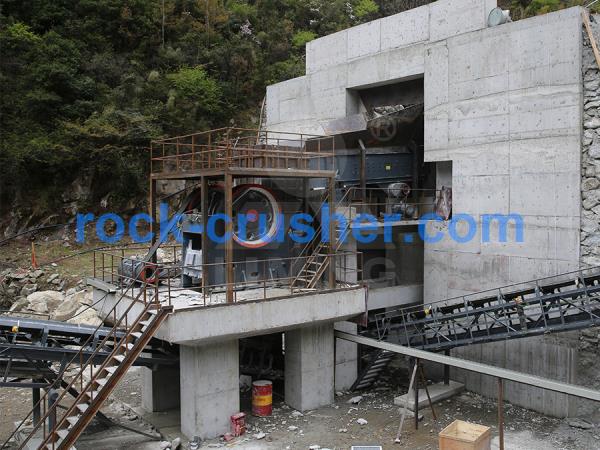
The Importance of a Strong Foundation:
A rock crusher is designed to reduce large rocks into smaller rocks, gravel, or rock dust. Whether used for construction purposes or as raw material in the manufacturing industry, rock crushers are vital for processing materials efficiently and effectively. To accomplish this, a solid foundation is needed to support the weight and vibrations generated by the machine during operation.
Key Considerations for Rock Crusher Foundation Design:
1. Site Evaluation:
Before initiating the design process, an extensive site evaluation must be conducted to assess factors such as soil conditions, slope stability, and geological characteristics. This evaluation will help determine the appropriate foundation design parameters and excavation requirements.
2. Load Calculation:
Determining the load capacity is crucial for designing a robust foundation. The weight of the rock crusher, combined with dynamic loads generated during operation, including crushing forces and vibrations, must be accurately calculated. This information will guide engineers in designing a foundation that can adequately support the applied load.
3. Foundation Type:
Rock crusher foundations can be classified into two main types: deep foundation and shallow foundation. Deep foundations, such as pile foundations, are suitable for areas with weak soil conditions or where significant vertical loads are anticipated. Shallow foundations, including mat and strip foundations, are generally used in areas with good soil conditions and moderate vertical loads.
4. Structural Analysis:
Conducting a structural analysis is crucial in determining the rock crusher's dynamic behavior and potential vibrations. Finite element analysis (FEA) is often employed to simulate the working conditions and analyze stress levels on the foundation and surrounding soil. This analysis aids in fine-tuning the foundation design to minimize vibrations and ensure structural integrity.
5. Isolation Measures:
To further mitigate vibrations and reduce the impact on the foundation and surrounding structures, isolation measures can be implemented. These include using vibration isolators, such as stone pads or isolators, between the crusher and the foundation. Additionally, installing anti-vibration mounts and using specialized dampening materials can help isolate vibrations and minimize their effect on the rock crusher.
A well-designed and robust foundation is crucial for the efficient and safe functioning of rock crushers. Investing time and resources into careful planning and design considerations for the foundation is a worthwhile endeavor that will ensure the long-term success of rock crushing operations.
By conducting a thorough site evaluation, accurate load calculations, and comprehensive structural analysis, engineers can design a foundation that can withstand the heavy loads, vibrations, and dynamic forces generated during rock crusher operation. Additionally, implementing isolation measures further minimizes the impact of vibrations on both the foundation and surrounding structures.
As industries continue to rely on rock crushers for efficient material processing, prioritizing the foundation design becomes imperative. By doing so, companies can prolong the lifespan of their rock crushers, reduce maintenance costs, and deliver consistent and high-quality output.