
The allure of gold, shimmering and promising untold riches, has driven prospectors for centuries. And with the rise of readily available information, many are turning to DIY methods, often focusing on rock crushers as the key to unlocking their gold-filled dreams. But the reality of using a rock crusher for gold extraction is far more nuanced than the romanticized image often portrayed. Let's break down the facts, separating the fantasy from the feasibility.
The initial appeal is understandable. A rock crusher, in theory, seems like the perfect tool to break down gold-bearing ore, making the precious metal accessible. And for certain types of ore, this is partially true. However, the process is far from straightforward, and requires a considerable investment of time, money, and effort— often far more than many amateur prospectors anticipate.
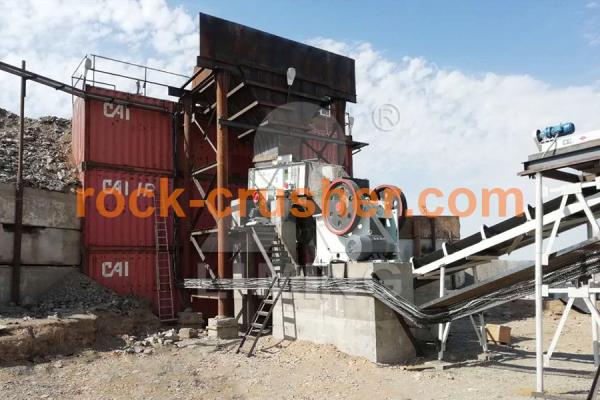
Firstly, not all rock contains gold. Even in areas known for gold deposits, the concentration might be incredibly low. Crushing tons of rock yielding only microscopic flecks of gold is a costly and ultimately unprofitable endeavor. Geological surveys and careful prospecting are crucial first steps – blindly crushing rocks is a recipe for frustration and wasted resources.
Secondly, the type of rock crusher matters. Different crushers are designed for different tasks. A jaw crusher, for example, is better suited for larger rocks, while a cone crusher is more efficient for finer crushing. The right crusher for gold extraction depends heavily on the ore's characteristics and the desired final particle size. Choosing the wrong one can lead to inefficient processing and potentially damage the equipment.
Thirdly, crushing is only the first step. Once the rock is crushed, the gold still needs to be separated. This requires further processing, often involving techniques like panning, sluicing, or more advanced methods like amalgamation or cyanide leaching (which require specialized knowledge and safety precautions). These processes are time-consuming and may require additional equipment, expertise, and potentially hazardous materials. A rock crusher alone won't magically extract gold; it's just one tool in a complex process.
Furthermore, environmental concerns are paramount. Improper disposal of crushed rock and the use of chemicals like cyanide can have severe environmental consequences. Responsible gold extraction requires adherence to environmental regulations and best practices. This adds another layer of complexity and cost to the operation.
Finally, the economic viability is questionable. The cost of purchasing a rock crusher, operating it (fuel, maintenance, repairs), and processing the extracted material can easily outweigh the value of the recovered gold, especially for small-scale operations. Unless you have a significant and richly concentrated gold deposit, the financial returns are unlikely to justify the investment.
Overall, while a rock crusher can be a component in gold extraction, it's not a magic bullet. It's a piece of equipment within a much larger, complex, and potentially costly process. Thorough research, realistic expectations, and a deep understanding of both geology and extraction techniques are essential before embarking on this challenging endeavor. The romanticized image of striking it rich with a rock crusher should be tempered with the harsh realities of hard work, significant investment, and the potential for disappointment.