
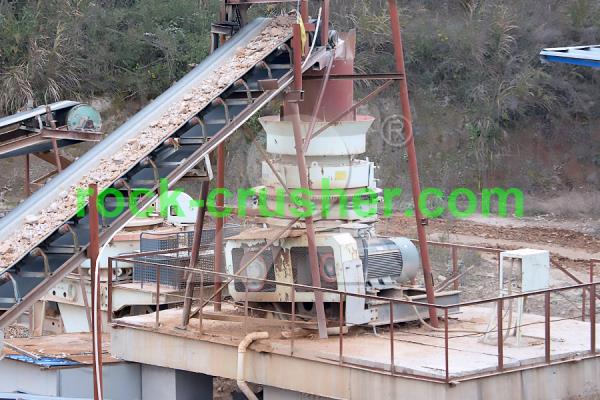
Rock crushers, as the name suggests, are machines that utilize mechanical force to reduce large rocks into smaller particles or gravel. While they are commonly used in construction and mining industries, their applications extend far beyond these sectors. In this article, we will explore the typical purpose and uses of rock crushers, shedding light on their versatility in various industries.
1. Construction and Road Building:
Rock crushers play a crucial role in construction and road building projects. They are used to break down large rocks, excavated from quarries, into manageable sizes for further processing. Crushed rocks are essential components in the production of concrete and asphalt, providing stability and durability to pavements, highways, and building foundations.
2. Mining and Quarrying:
The mining industry heavily relies on rock crushers for the extraction of minerals, such as coal, copper, gold, and limestone. Mining operations typically involve blasting and excavating rock formations, which need to be broken down into smaller pieces for processing. Crushers provide the capability to crush ore directly at the mining site, significantly reducing transportation costs and enhancing efficiency.
3. Demolition and Recycling:
Rock crushers are instrumental in demolition projects where old structures need to be demolished to make way for new developments. These crushers can efficiently reduce concrete, bricks, and other debris into smaller sizes, allowing for easy disposal or recycling. The crushed materials can be reused as aggregates in new construction projects, reducing the demand for fresh supplies and promoting sustainability.
4. Agricultural Sector:
In the agricultural sector, rock crushers find applications in land reclamation, where large stones and rocks hinder tillage and crop growth. By breaking down these obstacles, rock crushers help farmers reclaim valuable land that was previously unusable. Furthermore, shredded rocks can be utilized as a natural soil amendment, improving drainability, nutrient content, and overall soil quality.
5. Landscaping and Road Maintenance:
Rock crushers are indispensable in landscaping projects and road maintenance activities. They are used for crushing stones, rocks, and gravel, creating a solid foundation for pathways, driveways, and parking areas. Additionally, they are employed in the development of recreational spaces, including parks and gardens, where crushed rocks can be incorporated for aesthetic appeal and water drainage.
6. Industrial Manufacturing:
Rock crushers serve multiple purposes within the industrial manufacturing sector. For instance, in the cement industry, crushers are used to crush limestone and other materials into smaller particles for the production of cement clinker. In the stone industry, rock crushers are utilized to crush various chemicals and minerals for the synthesis of desired products.
Rock crushers are versatile machines that have found remarkable applications across different industries. From construction and mining to agriculture and recycling, their ability to break down large rocks into smaller particles or gravel makes them invaluable assets. These machines not only enhance operational efficiency but also contribute to environmental sustainability by facilitating recycling and landfill reduction.
As industries evolve and new challenges emerge, rock crushers continue to play a significant role in finding innovative solutions. Their versatility, adaptability, and efficiency make them indispensable in various applications, supporting the overall development of infrastructure, sustainability, and economic growth.