
The rhythmic thud of rock against steel, the rumble of heavy machinery, the ever-growing mountain of crushed stone – these are the hallmarks of a rock quarry. But behind the raw power and seemingly simple process lies a sophisticated world of crushing equipment, vital for transforming raw rock into usable materials for construction, infrastructure, and countless other industries. Let's delve into the fascinating world of rock quarry crushing equipment.
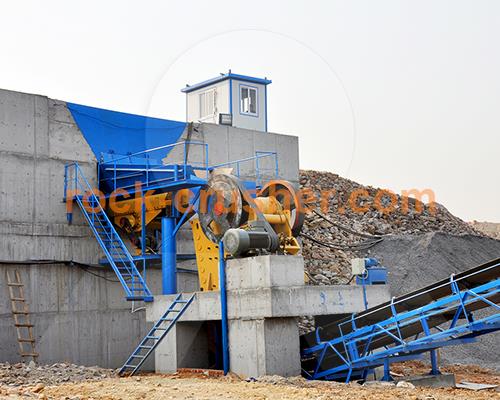
The journey from raw rock face to usable aggregate is a multi-stage process, and the type of crushing equipment employed depends heavily on the desired final product size, the hardness of the rock, and the overall production capacity needed. We'll break down some of the key players:
1. Jaw Crushers: These workhorses of the quarry are often the first line of defense. Think of them as giant rock-crunching jaws, employing a compressive force to break down large rocks into smaller pieces. Their robust construction makes them ideal for handling tough, abrasive materials. Jaw crushers are known for their reliability and ability to handle a wide range of feed sizes, making them a cornerstone of most quarry operations.
2. Cone Crushers: Following the initial crushing from jaw crushers, cone crushers step in to further reduce the rock size. These machines utilize a rotating cone that crushes the material between the cone and a stationary mantle. Cone crushers are particularly efficient at producing a consistent product size, making them crucial for applications requiring precise sizing specifications. Different cone crusher designs offer varying levels of reduction and output, allowing for customization based on specific quarry needs.
3. Impact Crushers: For applications requiring higher production rates and the creation of more cubical-shaped aggregates, impact crushers excel. These machines use high-velocity impact to break down the rock, resulting in a more angular final product. This is often preferred for asphalt and concrete applications where the angular shape enhances interlocking and overall strength.
4. Roll Crushers: Roll crushers use two rotating cylinders to crush the material by compression. They are particularly effective for softer materials and can produce a relatively uniform product size. While less common than jaw or cone crushers in larger quarries, they find niche applications where their specific characteristics are advantageous.
Beyond the Crushers: The crushing process doesn't end with the crushers themselves. Efficient quarry operations also rely on a complex network of supporting equipment, including:
* Screeners: These separate the crushed material into different size fractions, ensuring the final product meets specific requirements.
* Conveyors: These transport the material efficiently between different stages of the process.
* Feeders: These control the flow of material into the crushers, optimizing throughput and preventing blockages.
The Future of Crushing: The industry is constantly evolving, with advancements in automation, improved materials, and more efficient designs leading to increased productivity, reduced energy consumption, and enhanced safety. Technological innovations such as smart sensors and predictive maintenance are transforming quarry operations, making them more efficient and sustainable.
Choosing the right combination of crushing equipment is crucial for maximizing efficiency and profitability in a rock quarry. Understanding the specific needs of the operation, the characteristics of the rock, and the desired final product is paramount in selecting the most appropriate and effective machinery. The roar of these giants is not just the sound of industry; it's the sound of progress, built one crushed rock at a time.