
Rock sand, also known as manufactured sand, is a type of sand that is produced by crushing hard granite or basalt rocks. It has gained popularity in recent years as a sustainable and cost-effective alternative to natural river sand in construction projects. The manufacturing process of rock sand involves several steps to produce high-quality sand that meets industry standards.
The first step in the manufacturing process is extracting hard rocks from quarries using explosives or drilling equipment. The rocks are then crushed into smaller pieces using crushers such as jaw crushers, cone crushers, or impact crushers. The crushing process reduces the size of the rocks to produce coarse aggregates.
After the rocks are crushed, they are screened to separate the desired size of sand particles. The oversized particles are sent back to the crusher for further crushing, while the properly sized particles are washed to remove any dust, clay, or other impurities. Washing the sand helps improve its quality and make it suitable for use in construction.
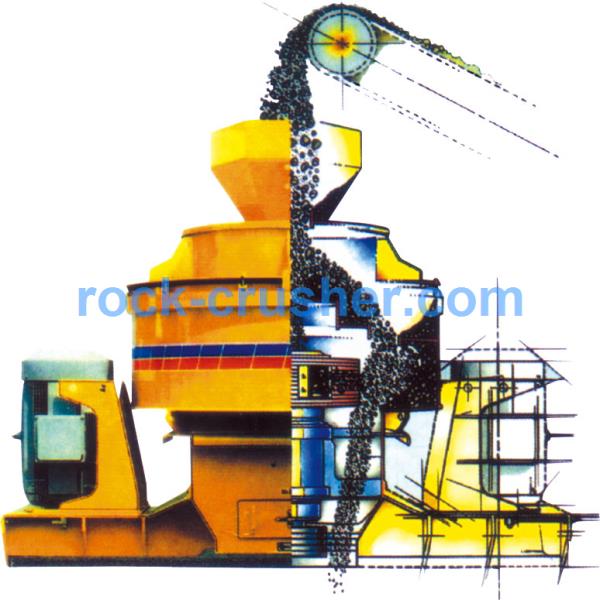
The next step is shaping the sand particles to produce a uniform shape and size. This is typically done using a vertical shaft impactor (VSI) crusher or a sand making machine. The VSI crusher uses rock-on-rock crushing technology to break down the rocks and shape the sand particles, resulting in a more cubical and consistent product.
Once the sand is shaped, it is classified based on its particle size distribution to ensure that it meets the required specifications. The final product is then stored in silos or stockpiles before being transported to construction sites for use in various applications such as concrete, masonry, and plastering.
Rock sand offers several advantages over natural river sand, making it a preferred choice for construction projects. It is free of impurities, such as silt and clay, which can affect the strength and durability of concrete. Additionally, rock sand is sustainable as it reduces the demand for natural sand, which is often extracted from riverbeds, leading to environmental degradation.
To wrap up, the manufacturing process of rock sand involves crushing hard rocks, screening, washing, shaping, and classifying the sand particles to produce a high-quality and consistent product. With its sustainable and cost-effective properties, rock sand has become a popular alternative to natural river sand in construction projects. By utilizing rock sand, builders and contractors can contribute to reducing environmental impact while ensuring the quality and longevity of their structures.