
Rocks crushers are essential machines in the construction, mining, and quarrying industries. They break down large rocks into smaller, manageable sizes for various applications, such as road building, concrete production, and mineral extraction. But have you ever wondered how rock crushers are made and evolved over time? Let’s dive into the fascinating world of rock crushers—their design, manufacturing, and technological advancements.
A Brief History of Rock Crushers
The concept of rock crushing dates back to ancient times when humans first began using simple stone tools to break down rocks. However, the modern rock crusher’s history began in the 19th century with the rise of industrialization. Early crushers were mainly mechanical devices powered by steam engines or hand-cranked levers. Over time, engineers refined these machines to improve durability, efficiency, and output.
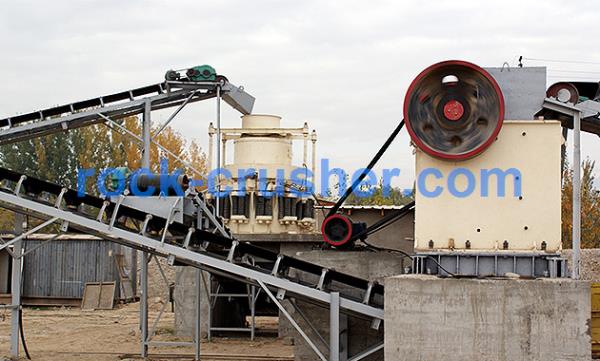
Materials and Components
Modern rock crushers are typically made using durable metals and alloys. The main body or frame is usually constructed from heavy-duty steel to withstand the tremendous forces generated during crushing operations. Inside the crusher, key components such as jaws, hammers, cones, or rolls are made from high manganese steel, chromium steel, or other wear-resistant materials. This ensures longevity, even when crushing the hardest rocks.
Types of Rock Crushers and Their Manufacturing
There are several types of rock crushers, each designed for specific crushing processes:
1. Jaw Crushers: This type uses two plates (one fixed and one movable) to crush rocks by compression. The manufacturing process involves precise machining of the jaws and assembly of hydraulic or mechanical systems to control jaw movement.
2. Cone Crushers: These use a rotating cone to crush rocks against a fixed outer surface. Manufacturing involves creating a heavy-duty frame, the cone assembly with wear-resistant liners, and sophisticated hydraulic systems for adjusting the crusher settings.
3. Impact Crushers: Utilize high-speed rotating hammers/blow bars impact and shatter rocks. Manufacturing requires casting and machining of rotors, hammers, and impact plates made from specialized alloys.
4. Gyratory Crushers: These consist of a concave surface and a conical head, gyrating in a circular motion. Building a gyratory crusher demands large-scale forging, precision machining, and assembly of heavy-duty hydraulic mechanisms.
Manufacturing Process Overview
The manufacturing of rock crushers is a complex, multi-step process that includes:
- Design and Engineering: Using CAD software, engineers create precise designs optimized for performance and durability.
- Casting and Forging: Large parts like frames and hammers are cast or forged using molten metal to shape them into rough forms.
- Machining: Computer-controlled machines refine the cast parts to exact dimensions.
- Assembly: Core components, such as jaw plates, shafts, hydraulic systems, and motors, are assembled.
- Testing: Once assembled, crushers undergo rigorous testing to ensure they meet performance and safety standards.
Innovations in Rock Crusher Manufacturing
Technological advancements have brought innovations like automation, real-time monitoring, and energy-efficient motors. Manufacturers now incorporate wear sensors that alert operators when parts need replacement, reducing downtime. Additionally, modular designs simplify maintenance, allowing easier replacement of individual components.
Rock crushers are feats of engineering, combining powerful materials and precise manufacturing techniques to meet the demands of heavy-duty operations. Whether it's mining precious minerals or preparing aggregates for construction, these machines are indispensable. Understanding how rock crushers are made sheds light on the craftsmanship and innovation behind the tools that keep our infrastructure growing and industries thriving.