
When it comes to limestone, a versatile sedimentary rock with numerous applications, choosing the right crusher is crucial. The crushing method employed plays a significant role in determining the final product size, shape, and quality. In this article, we will dive into the various crushers that are commonly used to produce rock in limestone quarries, highlighting the pros and cons of each.
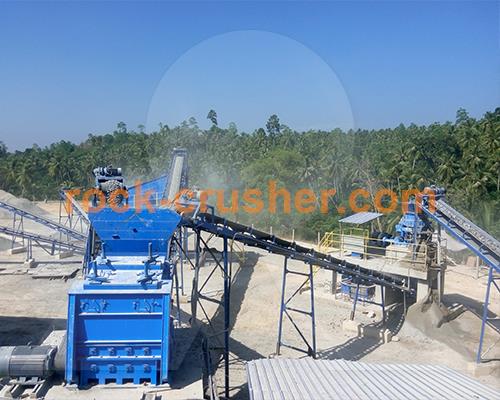
Crushes in Limestone Exploration:
1. Jaw Crusher:
As one of the most commonly used crushers, the jaw crusher operates by squeezing the rock between two heavy-duty plates. With its simple design, it is suitable for both primary and secondary crushing applications. The jaw crusher is known for its high efficiency and reliability, making it an excellent choice for producing different sizes of limestone rock.
2. Impact Crusher:
The impact crusher utilizes the impact force to crush the rock against walls or anvils. It is particularly effective for producing high-quality, cubical-shaped aggregates. This versatile crusher can handle a wide range of feed sizes, making it ideal for limestone quarries requiring various fragment sizes. However, it may produce more fines than desired in certain instances.
3. Cone Crusher:
The cone crusher is known for its ability to crush hard and abrasive ores and rocks, making it suitable for secondary and tertiary crushing applications in limestone processing. With its large feed opening and high capacity, it excels in reducing the size of limestone aggregates while maintaining a consistent particle shape. Some cone crushers also have hydraulic adjustment options, allowing operators to fine-tune the product size according to specific requirements.
4. Vertical Shaft Impactor (VSI):
The VSI, also known as a sand-making machine, is commonly used for the production of artificial sand and shaping of aggregates. It uses a high-speed rotor and anvils for rock-on-rock crushing, ensuring the desired shape and size of the limestone particles. The VSI crusher is particularly effective when producing limestone for concrete or asphalt aggregates due to its ability to produce a well-graded product with minimal flakiness.
5. Hammer Crusher:
The hammer crusher operates by impacting the rock with hammers that are fixed to a spinning rotor. It is particularly suitable for processing softer limestone materials. With its relatively low investment cost, easy maintenance, and high reduction ratio, the hammer crusher is often chosen for smaller operations or when a specific product size is required.
When it comes to crushing limestone, selecting the appropriate crusher plays a crucial role in achieving the desired product specifications. From jaw crushers, impact crushers, cone crushers, and vertical shaft impactors to hammer crushers, each crusher type has its own advantages and disadvantages. Therefore, understanding the characteristics of your limestone deposit and assessing your production needs will help you make an informed decision.
By considering factors such as feed size, desired product shape, capacity requirements, and maintenance considerations, quarry operators can confidently choose the most suitable crushers for their limestone crushing operations. Regardless of the chosen crusher type, it is imperative to ensure regular maintenance to maximize productivity and extend the lifespan of the equipment.