
Iron ore, a significant natural resource, serves as the principal raw material for the production of iron and steel. While it may seem like an ordinary rock at first glance, iron ore possesses unique characteristics that make it an essential component in various industries worldwide. In this article, we will delve into the composition and significance of iron ore, shedding light on its geological origins and its vital role in the manufacturing and infrastructure sectors.
Iron ore refers to a type of rock that contains iron minerals, usually in the form of hematite (Fe2O3) or magnetite (Fe3O4), which can be economically extracted. These iron minerals bear important stone properties that determine their viability for commercial purposes.
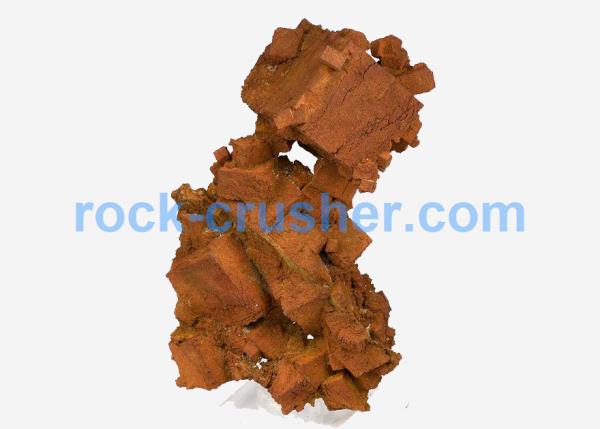
Composition of Iron Ore:
Hematite, the most commonly found iron ore mineral, has a distinct reddish-brown hue. Besides its iron content, hematite may also contain traces of other elements such as oxygen, silicon, and aluminum. Magnetite, on the other hand, appears black and metallic due to its high iron content and magnetic properties.
Significance of Iron Ore:
1. Steel Production: Iron ore serves as a primary ingredient in the production of steel. By smelting iron ores in blast furnaces, along with coke and limestone, the iron minerals are converted into molten iron. This molten iron is then further processed into steel and utilized in manufacturing a wide range of products, including cars, appliances, infrastructure, and more.
2. Infrastructure and Construction: Iron ore plays a crucial role in building modern infrastructure and construction projects. The versatility, strength, and durability of steel derived from iron ore make it a favored material for constructing bridges, buildings, highways, railway tracks, and other critical infrastructure components.
3. Global Economy: The mining and trading of iron ore form a critical part of the global economy. Countries rich in high-quality iron ore deposits, such as Australia, Brazil, and Russia, often export substantial quantities to meet the demands of industrial nations like China, India, and the United States. The iron ore industry contributes significantly to employment, trade balance, and economic growth.
Iron Ore Mining:
Iron ore mining involves extracting iron ore deposits through various methods, including open-pit or underground mining. The process varies depending on the nature and accessibility of the ore body. Once extracted, the ore is crushed into smaller pieces and sorted by size and quality. The resulting iron ore is then transported to steel mills or exporters for further processing.
Environmental Impact and Sustainability:
Iron ore extraction and processing can have environmental implications due to the disturbance of land, water pollution, and carbon emissions during steel production. However, sustainable mining practices, such as soil and water management, reclamation of mining sites, and increased energy efficiency, are being adopted by responsible mining companies to minimize their environmental footprint.
Iron ore, a rock rich in iron minerals, lies at the core of various industries worldwide. Whether it's supporting steel production, driving infrastructure development, or contributing to the global economy, the significance of iron ore cannot be overstated. Understanding the geological composition and mining methods can provide insights into the challenges faced and the efforts made towards sustainable extraction. As we continue to rely on iron ore to fuel progress and innovation, it is essential to ensure responsible mining practices for a sustainable future.